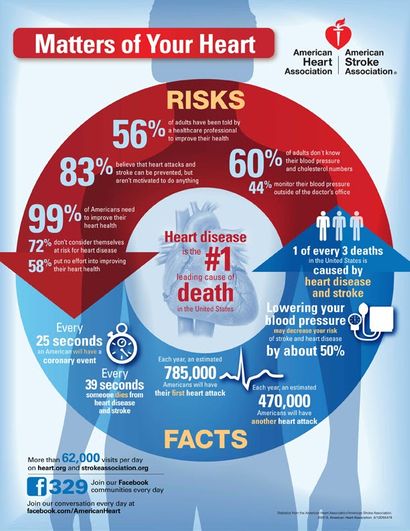

Hypertension, or chronically elevated blood pressure, is one of the most pervasive health conditions worldwide. Despite its quiet nature, it drives millions of heart attacks, strokes, and kidney failures every year. What makes hypertension especially dangerous is its subtlety, most people feel perfectly fine until serious complications emerge.
This expanded guide explores what hypertension is, why it matters, how it develops, and what you can do to prevent or manage. Although, hypertension is common, serious, and often invisible, but it is also highly manageable. Understanding your numbers and taking proactive steps can dramatically reduce your risk of heart attack, stroke, and other complications.
What Exactly Is Hypertension?
Blood pressure measures how strongly blood pushes against artery walls. It’s expressed as:
Systolic pressure: pressure during a heartbeat
Diastolic pressure: pressure between beats
A reading of 130/80 mm Hg or higher typically indicates hypertension.
The Four Blood Pressure Categories:
Normal: <120 / <80
Elevated: 120–129 / <80
Stage 1 Hypertension: 130–139 / 80–89
Stage 2 Hypertension: ≥140 / ≥90
These categories help clinicians decide when lifestyle changes or medications are needed.
Hypertension is often called the “silent killer” because it causes damage long before symptoms appear. Over time, high pressure injures blood vessels, thickens the heart muscle, and strains organs.
Major Complications
Heart disease: including heart failure and coronary artery disease
Stroke: due to weakened or blocked vessels in the brain
Kidney damage: leading to chronic kidney disease
Vision loss: from retinal vessel damage
Peripheral artery disease: reduced blood flow to limbs
Hypertension contributes to over 10 million deaths annually worldwide. It’s not just a medical issue, it’s a public health emergency.
What Causes Hypertension?
Most people develop primary hypertension, which has no single cause but results from a combination of genetics, environment, and lifestyle.
Key Risk Factors are:
Age: arteries stiffen over time
Family history
High-sodium diet
Obesity or excess weight
Physical inactivity
Chronic stress
Alcohol consumption
Smoking
Secondary Hypertension
Understanding the cause helps guide treatment. This form has a direct cause, such as:
Kidney disease
Thyroid disorders
Sleep apnea
Certain medications (e.g., steroids, decongestants)
Lifestyle Strategies to Lower Blood Pressure: Lifestyle changes are the first line of defense and can reduce blood pressure as effectively as medication for many people.
Evidence-Based Approaches:
Reduce sodium: aim for <1,500 mg/day
Increase potassium: bananas, spinach, beans, potatoes
Follow the DASH diet: rich in fruits, vegetables, whole grains
Exercise regularly: 150 minutes/week of moderate activity
Lose excess weight: even 5–10 lbs can lower BP
Limit alcohol: no more than 1–2 drinks/day
Quit smoking: improves vascular health immediately
These changes don’t just lower blood pressure, they improve overall health and longevity.
When Medication Becomes Necessary
If lifestyle changes aren’t enough, clinicians may prescribe medications such as:
ACE inhibitors
ARBs
Beta-blockers
Diuretics
Calcium channel blockers
Each class works differently, and many people need a combination for optimal control.
How Socialization Helps Regulate Blood Pressure.
Research on psychosocial factors shows a clear link between social connection and cardiovascular health. Regular, meaningful social interaction reduces stress, improves emotional well‑being, and lowers the risk of developing or worsening hypertension, according to multiple studies. This effect is largely driven by reduced stress‑hormone activity and improved coping behaviors.
1. Lower Stress Hormones
Chronic stress elevates cortisol and adrenaline, which raise blood pressure. Social isolation is a major stress trigger. A review on psychosocial factors notes that stress and social isolation contribute to sustained high blood pressure, while strong social support has a protective effect on hypertension.
2. Better Emotional Health
Depression and anxiety are associated with higher hypertension risk. Social support reduces the likelihood and severity of these conditions. A population‑based study found that depression partially mediates the relationship between adverse social conditions and hypertension, meaning social and emotional well‑being directly influence blood pressure.
Looking for a recreational support for your loved one or socialization that leaves a lasting good memory, we can help, you can give us a call today at 519-643-0001.
Click here to learn more about our Day Program.